
Clean air is not a privilege. Clean water is not a request. They are the standard we enforce.
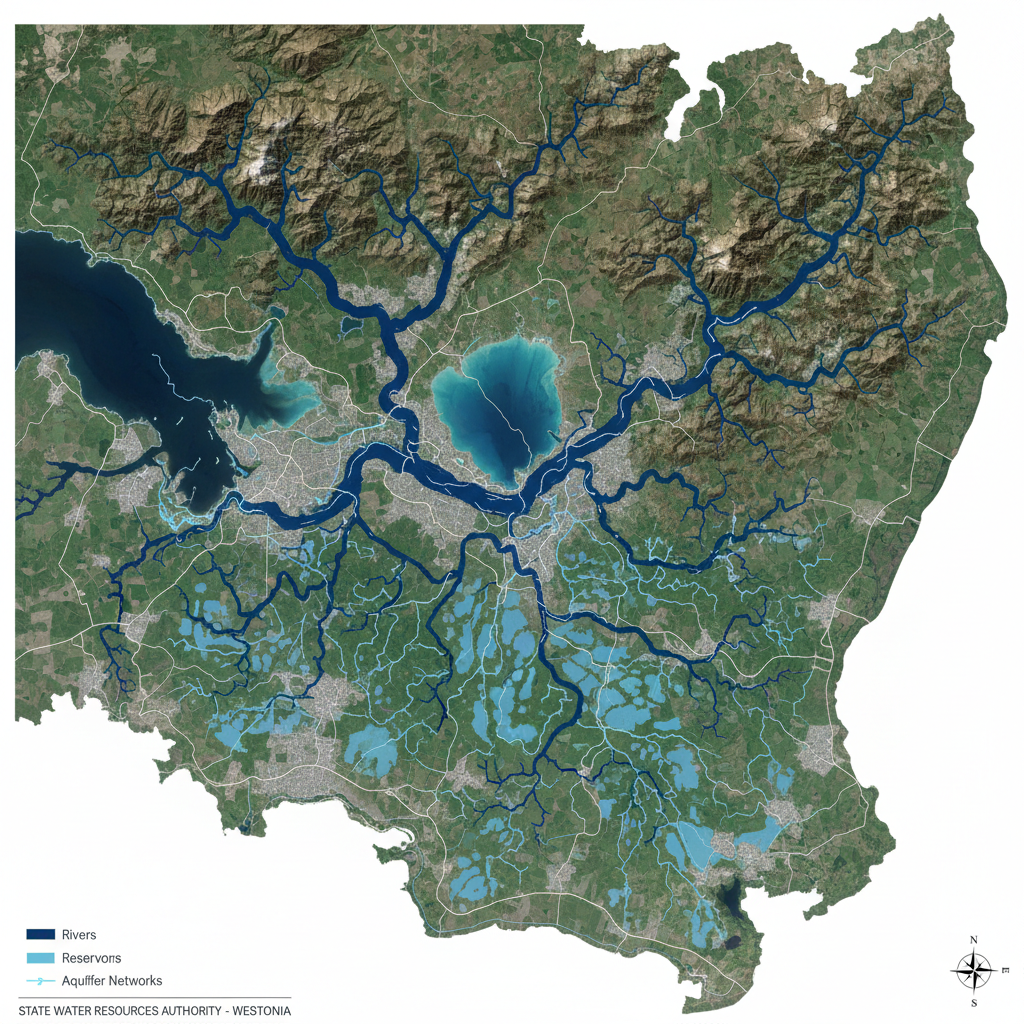
Steward monitors 14,200 permitted facilities, operates 847 water quality stations, and enforces the statutes that keep this state's rivers fishable and its soil uncontaminated — every day, without exception.
Protection is not passive.It is deliberate.
Steward's protection programs span land, water, air, and biodiversity — each governed by measurable targets, annual audits, and public reporting.
Wetlands & Habitat Preservation
Monitoring and enforcement of the Wetlands Conservation Act across 1.2 million protected acres.
Agricultural Runoff Prevention
Partnering with 3,400 farms to implement buffer zones and reduce nitrogen loading in waterways.
Air Shed Management
Real-time monitoring of particulate matter, ozone, and NOx across 12 air quality regions.
Superfund Site Remediation
Overseeing cleanup of 47 legacy contamination sites, with 23 cleared to residential standards since 2020.
Forest Carbon Sequestration
Tracking and certifying carbon offset programs across state-managed timberlands.
Species Recovery Programs
Active recovery plans for 31 threatened species, with 9 removed from watch lists in the last decade.
The data is always on.
847 monitoring stations transmit air and water quality data every 15 minutes. Every exceedance triggers an automatic alert within 4 minutes.
Your permit. Your responsibility.
Over 12,000 active permits govern environmental operations across the state. Find your permit status, upcoming deadlines, and renewal requirements in seconds.
Check Your Permit Status
Enter your facility ID (e.g., NPDES-2024-00341) or registered business name
Permit Categories
Discharge Permit
National Pollutant Discharge Elimination System — required for any facility releasing effluent into state waterways.
Air Pollution Control
Required for facilities emitting regulated air pollutants above threshold quantities.
Hazardous Waste Management
Covers generation, storage, treatment, and disposal of hazardous materials.
Underground Storage Tank
Registration and compliance monitoring for underground petroleum and chemical storage systems.
Upcoming Compliance Deadlines
You noticed something. Tell us.
Every report is reviewed within 24 hours by a licensed environmental inspector. You can submit anonymously. Your observation may prevent the next contamination event.
Active spill, fire, or immediate threat to public health or water supply?
(555) 400-2911What happens after you report
The standard isnon-negotiable.
Every violation is investigated. Every penalty is collected. Every enforcement action becomes a public record. This is not a deterrent — it is the law, consistently applied.